
Cedar Fever Season: Keep Pollen Out of Your San Antonio Home
A practical plan for the December to February mountain cedar season: filters, habits, and what your HVAC system has to do with it.
If you live in San Antonio you already know cedar fever. Every winter, mountain cedar trees across the Hill Country release clouds of pollen, and a lot of people feel like they have the flu for weeks. You cannot stop the trees, but you can make your home a place where symptoms ease instead of get worse.
When is cedar fever season in San Antonio?
Mountain cedar, also called Ashe juniper, pollinates in the coldest part of the year. In Central Texas the season generally runs from December through February and peaks in January. Cold, dry, windy days after a front are usually the worst, because the wind carries pollen from the Hill Country straight into the city.
How does pollen get inside?
Through open doors and windows, on clothes, hair and pets, and through the return vents of your HVAC system. Once inside, pollen settles in carpets and in the ductwork. Every time the heat runs, air moves through those ducts and back into your rooms.
Cedar fever checklist for your home
- Keep windows and doors shut on high pollen days, even when the weather is nice.
- Upgrade the filter. Use the highest-rated pleated filter your system is designed for. Many home systems handle MERV 11 to 13, but check with your HVAC technician, because a filter that is too restrictive can strain the blower.
- Change it monthly from December through February. A clogged filter lets more pollen past.
- Run the fan on cold still days so air keeps passing through the filter.
- Leave pollen at the door. Change clothes and shower after spending time outside, and wipe down pets.
- Vacuum with a HEPA vacuum so you are not blowing pollen back into the air.
Why clean the ducts before cedar season?
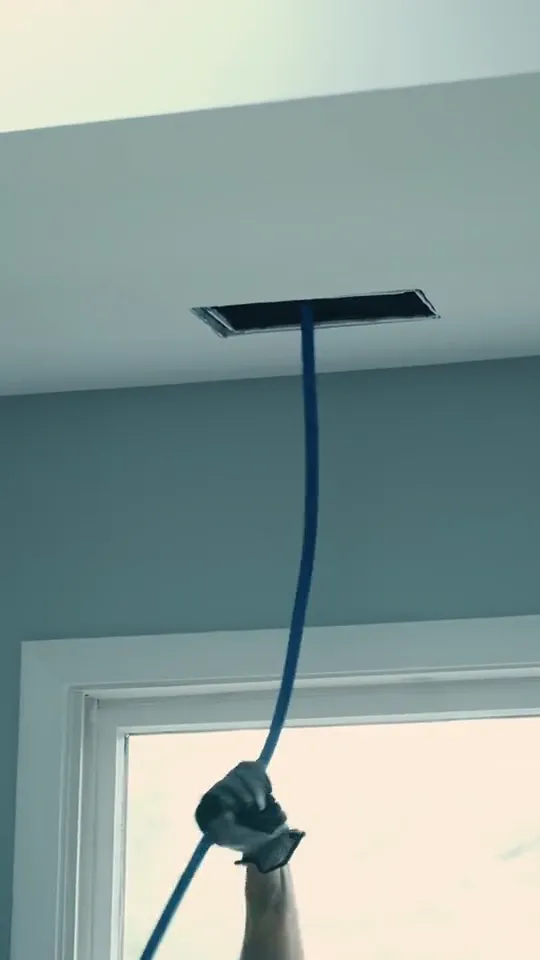
Ducts that are already coated with dust, pet dander and last year's pollen give this year's pollen more to cling to and more to send back into the house. Cleaning in the fall means the season starts with a clean system. San Antonio homes run the AC most of the year, which is why we recommend a cleaning about once a year, and fall is the best time to do it.
What we can and cannot promise
A duct cleaning does not treat allergies, and nobody should tell you it does. What it does is remove the pollen and dust built up in your system, so your filter and your habits have less to fight. If your symptoms are severe, talk to your doctor or an allergist.
Related reading and services
See air duct cleaning, read whether duct cleaning is worth it, learn how often to clean air ducts, or check the current coupons.
Cedar fever and your home
When is cedar fever season in San Antonio?
Generally December through February, with the peak in January. Windy days after a cold front are usually the worst.
What filter is best for cedar fever?
The highest-rated pleated filter your system is designed for, often MERV 11 to 13. Change it monthly during the season.
Does air duct cleaning help with cedar fever?
It removes pollen and dust built up in the system, so less is recirculated. It is not a medical treatment, so see a doctor for severe symptoms.
When should I clean my ducts for cedar season?
In the fall, before the pollen arrives, so the season starts with a clean system.
Can pollen get in through the AC?
Yes. Pollen enters through return vents and settles in the ductwork, which is why a good filter and clean ducts both matter.


